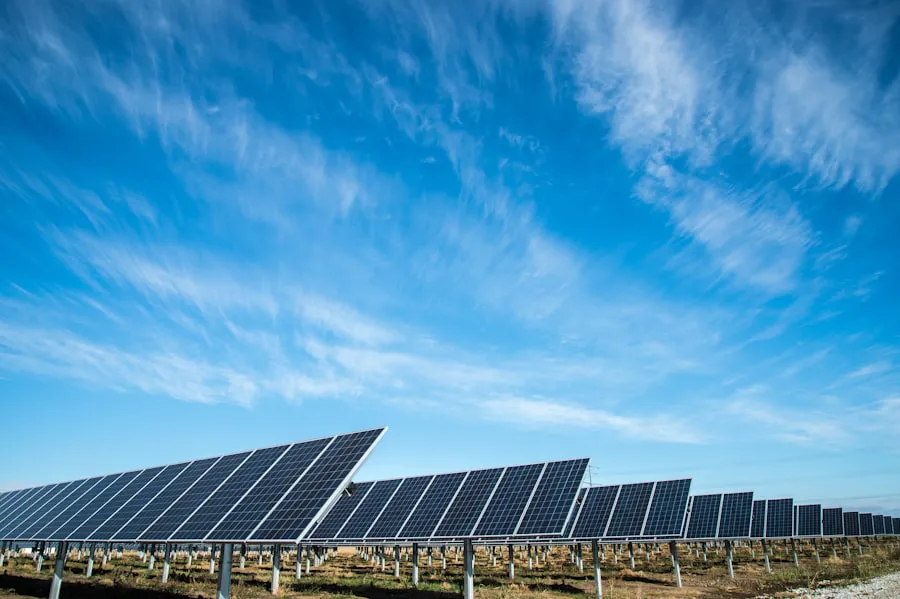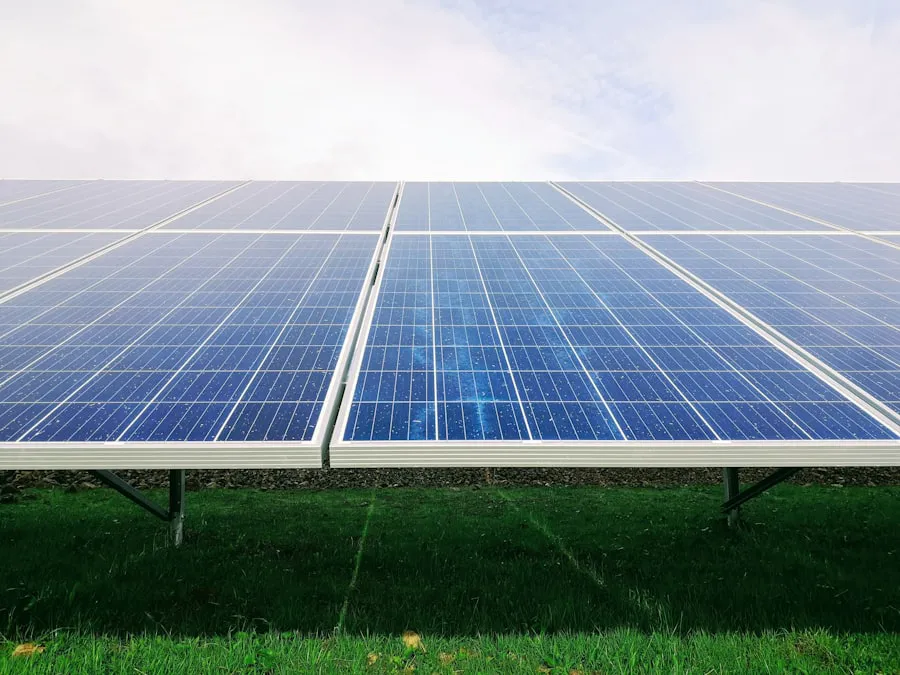

A 3 kW rooftop solar system in Madhya Pradesh or Chhattisgarh generates about 12–13 units a day on average, or 360–400 units a month and roughly 4,500 units a year. That is enough to cover a household bill of ₹2,000–2,700, and with the PM Surya Ghar subsidy the system pays for itself in about four years.
Key Takeaways
- 3 kW ≈ 12–13 units/day average, 360–400 units/month, ≈ 4,500 units/year in MP and CG.
- Best months are March–May (15–16 units/day); worst are July–August (7–9 units/day).
- Covers a ₹2,000–2,700 monthly bill; runs fans, lights, fridge, TV, washing machine and a 1-ton AC for a few hours.
- Installed cost ≈ ₹2,00,000, net ≈ ₹1,22,000 after the ₹78,000 subsidy — payback about 4 years.
- Shade, dust, tilt and panel quality can move output by 10–20 per cent either way.
The simple formula
Daily generation = system size × peak sun hours × performance ratio. Central India receives about 5–5.5 peak sun hours a day averaged across the year, and a well-installed rooftop system has a performance ratio of 75–80 per cent after inverter, cable, temperature and dust losses. So: 3 kW × 5.3 × 0.78 ≈ 12.4 units a day. Over a year that is close to 4,500 units — the figure we use when sizing systems in Shivpuri, Gwalior, Balaghat and Bilaspur, and it matches what our installed systems actually report.
Month-by-month output of a 3 kW system
Solar is not flat through the year. Here is what a south-facing 3 kW system in the Gwalior-Chambal or Bilaspur region typically produces:
| Month | Units per day | Units per month | Why |
|---|---|---|---|
| January | 11–12 | 340–370 | Clear skies, cool panels — good winter output |
| February | 12–13 | 340–365 | Longer days begin |
| March | 14–15 | 430–465 | Peak season starts |
| April | 15–16 | 450–480 | Longest clear days of the year |
| May | 15–16 | 465–495 | High sun, slight heat loss |
| June | 12–14 | 360–420 | Pre-monsoon haze and dust |
| July | 7–9 | 215–280 | Monsoon cloud cover |
| August | 7–9 | 215–280 | Monsoon |
| September | 10–12 | 300–360 | Clearing skies |
| October | 12–13 | 370–400 | Post-monsoon clarity |
| November | 11–12 | 330–360 | Shorter days |
| December | 10–11 | 310–340 | Shortest days, some fog in the Chambal region |
The annual total lands between 4,300 and 4,700 units. Net metering is what makes the seasonal swing irrelevant to your bill: the surplus you export in April is credited against what you import in August.
What a 3 kW system can actually run
Think in units per day rather than appliances switched on at once. A typical 12-unit day comfortably covers:
- 4 ceiling fans for 10 hours — about 3 units
- 10 LED lights for 6 hours — about 0.6 units
- A 250-litre refrigerator — about 1.5 units
- TV, Wi-Fi, phone charging, mixer — about 1 unit
- A 1-ton inverter AC for 5 hours — about 4–5 units
- Washing machine and water pump — about 1 unit
That is roughly 11–12 units, which is why 3 kW is the standard recommendation for a family with one air conditioner. A home running two ACs through the summer should look at 5 kW, which generates 600–650 units a month and costs about ₹3,00,000 installed.
What reduces output — and how to protect it
- Shade — a water tank or parapet shadow on even one panel can cut a string's output by 20–30 per cent. The site survey maps shadows across the day.
- Dust — in the dry months of the Chambal and Bilaspur plains, a month without cleaning costs 5–8 per cent. Rinse panels every two to three weeks in summer.
- Tilt and direction — south-facing at 20–25° is ideal for central India; a flat east–west layout loses 8–12 per cent across the year.
- Heat — panels lose about 0.35 per cent of output for every degree above 25 °C cell temperature, which is why May output is not higher than April despite stronger sun.
- Panel grade — tier-1 mono-PERC or TOPCon modules from Waaree, Adani or Tata hold 0.5 per cent annual degradation; cheaper modules can degrade twice as fast.
Turning units into rupees
At the upper MPMKVVCL or CSPDCL domestic slab a unit costs roughly ₹6.5–7.5 including charges. 4,500 units a year is therefore worth about ₹27,000–32,000 — close to the entire bill of a ₹2,500-a-month household. The installed price of a Sunvera Energy 3 kW system is about ₹2,00,000; after the ₹78,000 PM Surya Ghar subsidy the net cost is roughly ₹1,22,000, giving a simple payback of about four years and 21 more years of near-free electricity. Financed through HDFC Bank, SBI, PNB or Bank of Baroda over seven years, the EMI of about ₹2,000 is lower than the bill it replaces.
Is 3 kW the right size for you?
Take your last 12 bills, add the units, and divide by 1,500 — that is the kW you need in MP or CG. A household using 4,500 units a year needs 3 kW; 7,500 units needs 5 kW. Sunvera Energy sizes every system from the bills rather than from the subsidy cap, and the free site survey confirms the roof can take it. Share your bills on WhatsApp at +91 77103 07937 for a same-day estimate.
A note on net metering and the monsoon
New solar owners sometimes worry when the inverter app shows 8 units on a cloudy August day instead of the 15 it showed in April. This is normal, and it is exactly what net metering is for. Your MPMKVVCL, MPPKVVCL or CSPDCL bi-directional meter records every surplus unit you exported in the strong months as a credit; in the monsoon, those credits are drawn down against the grid units you import. Judge a system on its annual total — 4,300–4,700 units for 3 kW — not on any single week. If the annual figure is well below that, something is wrong: shading, a dirty array, a tripped string or an inverter fault — and that is what the free generation check under Sunvera's AMC is for.
Frequently Asked Questions
About 12–13 units a day averaged over the year in Madhya Pradesh and Chhattisgarh — 15–16 in April–May and 7–9 in the July–August monsoon. That adds up to 360–400 units a month and roughly 4,500 units a year for a south-facing, shade-free rooftop system.
Yes, within its daily budget of about 12 units. A 1-ton inverter AC uses roughly 0.8–1 unit an hour, so five hours of AC plus fans, lights, a refrigerator and a TV fits inside a 3 kW system's daily generation. For two ACs or all-day cooling, a 5 kW system is the right size.
About ₹2,00,000 installed by Sunvera Energy, and roughly ₹1,22,000 after the ₹78,000 PM Surya Ghar subsidy is credited to your bank account. That includes panels, inverter, structure, cabling, installation and the DISCOM net-metering application.
About 300 square feet of shade-free roof for six panels of 540–580 Wp each, mounted on a south-tilted structure. An elevated structure can leave the roof usable underneath at a small extra cost.
Get a free site survey & PM Surya Ghar subsidy guidance.