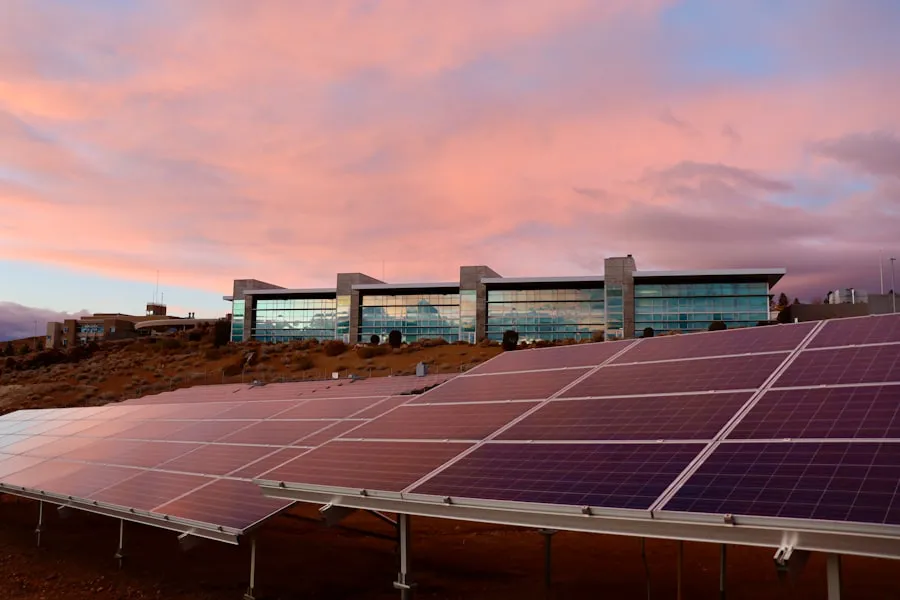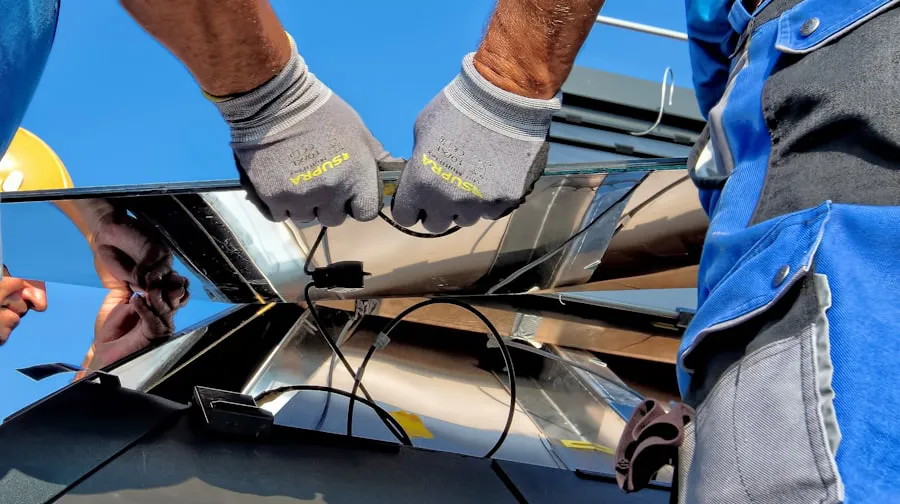
Every year from April to June, the Gwalior-Chambal region sees fierce dust storms — the aandhi that turns the sky orange, drops visibility to a few metres and leaves a fine layer of soil on everything. For rooftop solar owners in Gwalior, Morena, Bhind and Datia, each storm brings two worries: lost output from dust, and damage from wind. Both are manageable. Here is what to do before, during and after an aandhi.
Key Takeaways
- One heavy dust storm can cut output noticeably until the panels are washed.
- Wind, not dust, is the real risk — check structure fixings before the season.
- Clean early in the morning after a storm, with water, not dry cloth.
- Never climb on the roof during a storm or while it is still windy.
- Look at the app the day after a storm to confirm output has recovered.
What a dust storm does to output
Dust on panels blocks light before it reaches the cells. A thin, even film reduces output a little; the heavy, sticky layer left by an aandhi — especially when followed by a few drops of rain that turn dust into mud — can reduce it much more. Because storms come in the hottest, sunniest months, when panels produce the most, every day the dust stays on costs more units than it would in winter. A light shower usually does not wash panels clean; it often makes the film worse.
The bigger risk: wind
Dust costs units; wind can cost the system. Storm gusts lift panels from below like a wing. A well-designed structure — hot-dip galvanised, anchored into the roof or onto heavy pedestals, with clamps tightened to specification — handles this easily. Structures resting on loose bricks or blocks, frames of thin painted steel and clamps that have loosened over a year of heating and cooling are what fail. Loose panels can damage the roof, neighbours' property and people below.
Before the storm season
- Book a pre-season check in March or early April. A technician should torque every clamp and bolt, check anchors and look for rust.
- Clear the roof. Loose sheets, plastic, buckets and drying racks become missiles in a storm and can crack panels.
- Check cables. Cables should be clipped down and in conduit, not hanging loose where wind can whip them.
- Know your switch-off. Ask your installer to show you how to switch the system off safely at the AC and DC isolators.
During the storm
Stay off the roof. Do not try to cover panels or hold anything down. Inverters handle grid trips on their own. If there is lightning, keep away from the inverter and roof wiring; the earthing and lightning arrester are there to deal with it.
After the storm
- Wait until the wind has fully dropped — usually the next morning.
- Look before you climb. From the stairs or roof door, check for displaced panels, broken glass, hanging cables or debris. If anything looks damaged, do not touch it — call your installer.
- Clean early in the morning. Panels are cool then. Rinse with low-TDS water first to loosen the dust, then wipe gently with a soft brush or sponge. Avoid dry wiping, which grinds dust into the glass, and avoid detergent and hard brushes.
- Do not spray cold water on hot panels at midday. The temperature shock can stress the glass.
- Check the app. Compare the next clear day's units with a clean day before the storm. If output is still low, a string may be disconnected or a panel damaged.
How often to clean in storm season
In April–June, most Gwalior homes do best with a rinse after every major storm, or every two to three weeks if storms are light. Homes near open land, construction or busy roads may need more. An AMC plan can schedule this for you, especially if climbing on the roof is difficult.
Does dust damage panels?
Dust itself does not damage panels, but how you clean it can. Scratching from dry wiping or hard brushes, and spots from hard water, permanently lower output and are not covered by warranties. Bird droppings that stay for weeks can create hot spots. Gentle, regular cleaning is the answer.
Bird droppings and storm debris
Storms also bring leaves, plastic and bird nests onto roofs. Debris trapped under panels holds dust and moisture, and droppings left for weeks create hot spots that can damage cells. After each storm, clear debris from under and around the array and remove droppings during the rinse. If pigeons nest under your panels, ask your installer about bird mesh around the edges.
A note for shops and factories
Commercial and industrial plants on large roofs lose more units per day to dust, so the payback from quick cleaning is higher. Many owners in Gwalior and Malanpur schedule a cleaning crew within a day of every major storm in season, and track output daily through the monitoring app to confirm recovery.
Is your installer storm-ready?
If you are still choosing a system, ask how the structure will be fixed to your roof, whether it is hot-dip galvanised, what wind load it is designed for, and whether a pre-monsoon check is included. In the Gwalior-Chambal belt, these questions matter as much as the panel brand.
Help from our Gwalior team
Sunvera Energy's Gwalior office at Kampoo offers pre-season checks, post-storm inspections and AMC plans across the city. If your output has not recovered after a storm, WhatsApp a photo of the roof and your app graph to +91 77103 07937.
Frequently Asked Questions
It depends on how heavy the layer is. A thin film reduces output a little; the thick, sticky layer left by an aandhi, especially if followed by light rain, can reduce it much more until the panels are washed. Clean early the next morning.
Not if the structure is properly anchored, galvanised and tightened. Failures happen with frames resting on loose blocks, thin painted steel or clamps that have loosened. A pre-season check in March or April prevents most problems.
Wait until the wind drops, then rinse early in the morning with low-TDS water to loosen dust, and wipe gently with a soft brush or sponge. Avoid dry wiping, detergent, hard brushes and spraying cold water on hot panels at midday.
Usually it is not necessary; the inverter disconnects itself if the grid trips. Stay off the roof and away from wiring during lightning. Switch off only if you see damage, using the isolators your installer showed you.
Get a free site survey & PM Surya Ghar subsidy guidance.