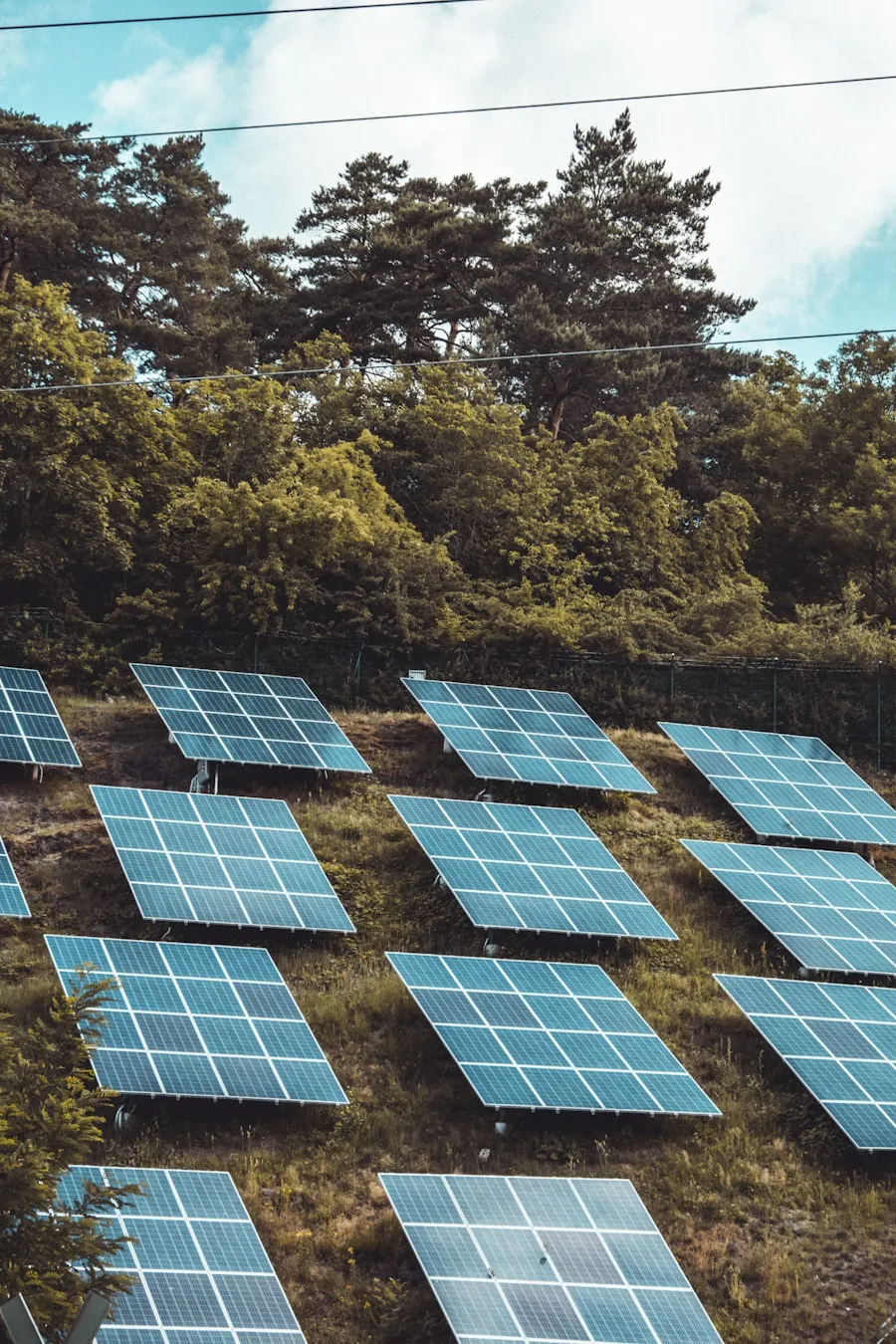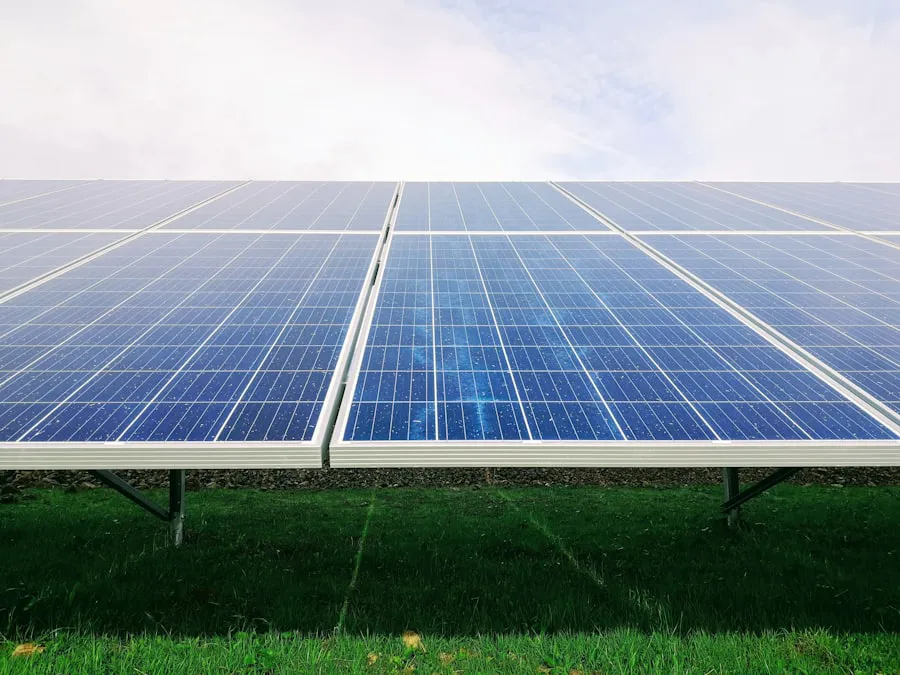
Few cities in Madhya Pradesh feel the summer like Gwalior. When May and June bring 45 °C days, two or three ACs run for hours, and an MPMKVVCL bill of ₹3,000–4,500 is normal. That is exactly why rooftop solar pays back so well here. In 2026 a 5 kW system costs about ₹2.75–3.0 lakh, the PM Surya Ghar subsidy takes ₹78,000 off, and the panels produce about 7,250–7,500 units a year. Here is the full picture.
Key Takeaways
- 3 kW ≈ ₹1.02–1.22 lakh and 5 kW ≈ ₹1.97–2.22 lakh after the ₹78,000 subsidy.
- Each kW makes about 1,450–1,500 units a year in Gwalior.
- AC-heavy homes save ₹42,000–50,000 a year with 5 kW.
- Payback is about four years for most homes.
- Zero down payment finance is available.
Prices in 2026
| Size | Price before subsidy | Subsidy | Net cost |
|---|---|---|---|
| 2 kW | ≈ ₹1.4–1.5 lakh | ₹60,000 | ≈ ₹80,000–90,000 |
| 3 kW | ≈ ₹1.8–2.0 lakh | ₹78,000 | ≈ ₹1,02,000–1,22,000 |
| 5 kW | ≈ ₹2.75–3.0 lakh | ₹78,000 | ≈ ₹1,97,000–2,22,000 |
Prices include panels, inverter, galvanised structure, cabling, earthing, lightning arrester, installation and MPMKVVCL net-metering paperwork. Madhya Pradesh homes receive the central subsidy; ₹78,000 is the maximum.
How much it produces
Gwalior gets strong sun from February to June and again after the monsoon. Each kW makes about 1,450–1,500 units a year. A 5 kW system can produce 25–27 units on a clear April day, around 15–20 on a monsoon day with breaks of sun, and sometimes under 10 in the densest January fog. Over a year, those swings average out to about 7,250–7,500 units.
Why Gwalior homes save more
Solar saves most where units are expensive. Homes that use 500–700 units in summer months fall into the higher tariff slabs, and solar removes exactly those costly units. That is why a 5 kW system in an AC-heavy Gwalior home typically saves ₹42,000–50,000 a year, and a 3 kW system in a home with one AC saves ₹25,000–31,000. Fixed charges stay on the bill, so it rarely becomes exactly zero, but many months come close.
Payback
With a net cost of about ₹1.97–2.22 lakh and savings of ₹42,000–50,000 a year, a 5 kW system pays back in about four to five years. Panels carry a 25–30 year warranty, and the inverter usually needs replacing once in 10–15 years. Over 25 years, the total saving runs into many lakhs, and more if tariffs rise.
Which size for your home?
- 2 kW: small homes using 200–250 units a month, no AC.
- 3 kW: homes with one AC and bills of ₹1,500–2,500 in summer.
- 5 kW: homes with two or three ACs and bills of ₹3,000–4,500 in summer.
- Above 5 kW: large homes and joint families, usually on three-phase supply.
Size from twelve months of bills, not June alone. Divide yearly units by about 1,450–1,500 to get kW.
Roofs in Gwalior
Old-city roofs in Lashkar and around Maharaj Bada are often small and crowded with tanks and stair rooms; elevated structures over the tanks can add space. Homes in Morar, Thatipur and City Centre usually have room for 5 kW. Each kW needs about 100 sq ft of roof free of shade from 9 am to 4 pm. Neighbouring buildings that are taller can shade roofs in winter, when the sun is lower, so the survey checks shade at the winter angle.
Zero down payment
With 100% loan finance through partner banks, nothing is paid upfront. For 3 kW the EMI starts at around ₹3,000 a month and falls to about ₹1,800–1,900 once the ₹78,000 subsidy is used to prepay. For 5 kW the EMI is higher, but so is the saving — in most Gwalior homes the monthly saving in summer exceeds the EMI.
Two Gwalior examples
A family in Thatipur. Twelve bills total about 7,300 units, with 950 units in June and 330 in January. They run three ACs in summer. The sanctioned load is 5 kW on a three-phase connection and the roof has 550 sq ft free of shade. A 5 kW system fits: about ₹1,97,000–2,22,000 after the subsidy, saving around ₹45,000–50,000 a year.
A home near Maharaj Bada. A two-storey house with one AC uses about 4,400 units a year, but the roof is crowded with two tanks and a stair room. An elevated structure over the tanks makes room for 3 kW. After the ₹78,000 subsidy the system costs about ₹1,02,000–1,22,000 and saves roughly ₹26,000–30,000 a year.
Common mistakes
- Choosing on price alone — a thin structure or no lightning arrester costs more later.
- Sizing from the June bill and exporting large winter surpluses at a lower rate.
- Ignoring sanctioned load and phase — larger systems may need three-phase supply.
- Mounting the inverter in direct sun, where it overheats and cuts output in May.
Heat and your system
Panels lose a little efficiency in Gwalior's 45 °C afternoons, which is already built into the yearly figure. An air gap beneath the panels, a shaded inverter and a rinse every two to three weeks during the dusty pre-monsoon months keep output close to its best.
Next step
Bring twelve months of MPMKVVCL bills to Sunvera Energy's Gwalior office at Floor 1, Shop 3, Nagar Nigam Market, Kampoo, near Hanumant Talkies, or WhatsApp photos to +91 77103 07937. We will calculate the right size, net cost and saving and survey your roof at no charge.
Frequently Asked Questions
About ₹1.8–2.0 lakh for 3 kW and ₹2.75–3.0 lakh for 5 kW before subsidy. After the ₹78,000 PM Surya Ghar central subsidy, the net costs are about ₹1,02,000–1,22,000 and ₹1,97,000–2,22,000.
Typically ₹42,000–50,000 a year in a home with two or three ACs, because solar replaces units in the higher tariff slabs. A 5 kW system produces about 7,250–7,500 units a year in Gwalior.
About four to five years for most homes. After that, the system keeps saving for 20 years or more under a 25–30 year panel warranty, with an inverter replacement once in 10–15 years.
Not for systems up to about 5 kW, which work on single-phase. Larger systems usually need three-phase supply. We file any phase change or load increase with MPMKVVCL along with your application.
Get a free site survey & PM Surya Ghar subsidy guidance.