Walk through Waraseoni, Katangi, Lalbarra or any village in Balaghat district and you will see sloping roofs of red kavelu clay tiles. They keep homes cool and shed the heavy monsoon rain, but they are fragile, and many families assume solar is impossible for them. It is not. The panels simply should not sit on the tiles. Here is how solar works on a kavelu home, what it costs and what to avoid.
Key Takeaways
- Never fix panels directly on clay tiles; they crack and leak.
- An independent galvanised frame beside or over the house is the safe option.
- The PM Surya Ghar subsidy applies as long as the home has a domestic connection.
- A frame adds roughly ₹10,000–25,000 to the cost depending on height and size.
- Many kavelu homes need a sanctioned-load increase first.
Why tiles and panels do not mix
Kavelu tiles rest loosely on wooden battens or bamboo, overlapping so rain runs off. They are not fixed and are not designed to carry weight. Walking on them cracks them, and drilling through them for brackets creates holes that the monsoon will find. The wooden frame below was built for the tiles alone, not for panels and a steel structure. After a few years, termites, moisture and age may have weakened it further. Putting panels on top is asking for broken tiles, leaks and, in a storm, a dangerous failure.
Option 1: a frame beside the house
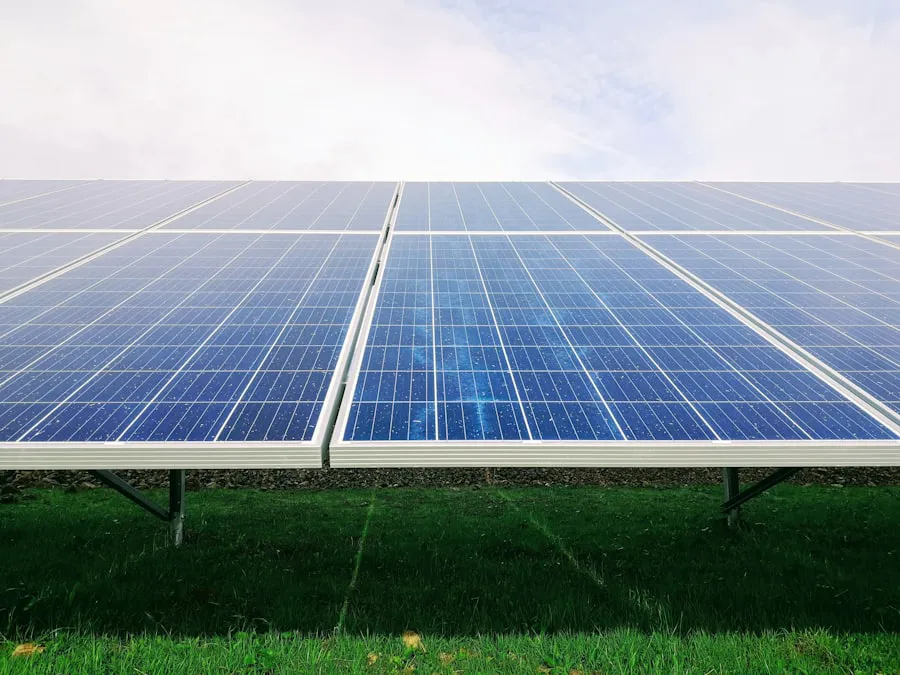
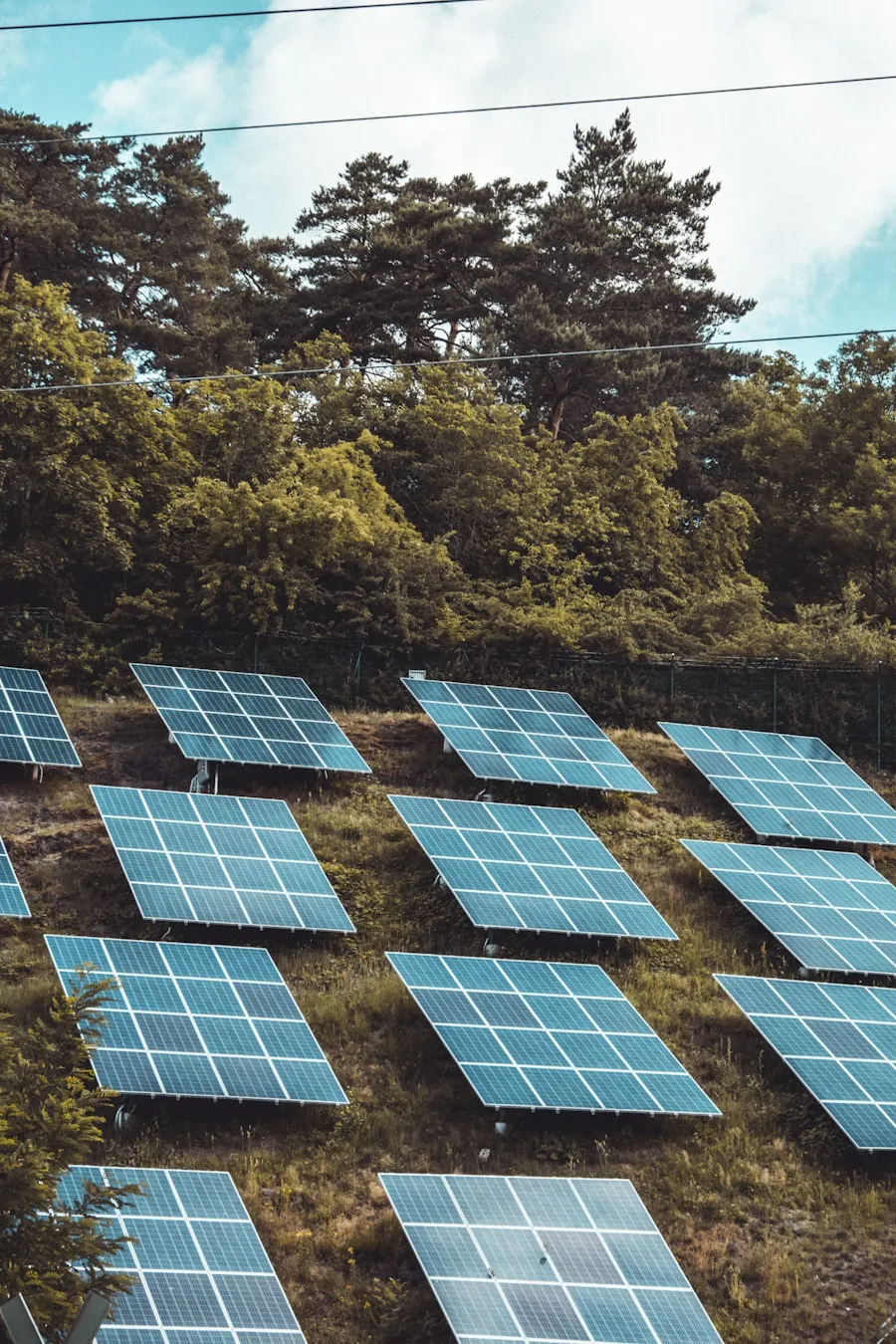
If there is open space in the courtyard or beside the house, the simplest solution is a ground-mounted galvanised frame. The panels are raised two to two-and-a-half metres so people, cattle and carts can move below, and the space underneath becomes a shaded spot for drying grain or parking a bicycle. Footings are concrete, deep enough for Balaghat's soil and the pre-monsoon winds. This option is easy to clean and maintain, because the panels are reachable without climbing on any roof.
Option 2: a frame over the roof
Where the courtyard is small or shaded, a frame can stand on its own columns rising beside the walls and spanning over the tiled roof, with the panels above the tiles but not touching them. This keeps the courtyard free. It needs careful design: columns on proper footings, cross-bracing for wind, and enough clearance for the tiles to be repaired or replaced later. It costs more than a ground frame, and we only recommend it when the courtyard truly cannot be used.
Option 3: replace part of the roof
Some families planning to rebuild anyway convert part of the kavelu roof to a concrete slab or a sheet roof, then mount panels on that. This makes sense only if the repair was due. Solar alone is not a reason to rebuild a sound tiled roof.
What it costs
| System | Price before subsidy | Subsidy | Extra for frame |
|---|---|---|---|
| 1 kW | Quoted after survey | ₹30,000 | ≈ ₹10,000–15,000 |
| 2 kW | ≈ ₹1.4–1.5 lakh | ₹60,000 | ≈ ₹15,000–20,000 |
| 3 kW | ≈ ₹1.8–2.0 lakh | ₹78,000 | ≈ ₹20,000–25,000 |
The extra depends on height, span and footing depth. The PM Surya Ghar subsidy applies to the system as long as it is connected to your domestic MPPKVVCL connection with net metering. Zero down payment finance can cover the frame too.
Sizing a village kavelu home
Many tiled homes in Balaghat use 150–250 units a month: lights, fans, a cooler or two, a TV, a fridge and sometimes a small pump. That points to 1–2 kW. A 2 kW system makes about 2,800–2,900 units a year and saves roughly ₹15,000–19,000. If your use is below 100 units a month and your bill is already small under the state's scheme for low-use homes, solar will save less; ask for an honest calculation before deciding.
Cleaning and upkeep on a frame
One advantage of a frame over a tiled home is that the panels are easy to reach. A family member can rinse them from a short ladder early in the morning, without stepping on fragile tiles. In Balaghat, panels near paddy fields collect bird droppings and some husk dust from nearby mills, so a gentle rinse every few weeks from October to May keeps output high; the monsoon does the rest. Check the frame bolts once a year before the rains, and keep creepers and climbing plants away from the columns, as they hold moisture and invite rust.
Load and wiring
Older village connections are often sanctioned at 1 kW, and the wiring inside may be old. Under net metering, solar capacity is generally limited to the sanctioned load, so a 2 kW system needs a load increase with MPPKVVCL first. We also check the house wiring and the meter board, and add a proper earth pit and lightning arrester, which kavelu homes usually do not have.
A Lalbarra example
A family near Lalbarra has a kavelu home, a 1 kW sanctioned load and about 2,700 units of use a year from fans, two coolers, a fridge and a small pump. The courtyard has open sun on its south side. A 2 kW system on a 2.2-metre ground frame fits there, after a load increase is filed with MPPKVVCL. The system costs about ₹80,000–90,000 after the ₹60,000 subsidy, plus about ₹15,000–20,000 for the frame, and the space below now dries the family's paddy in the shade.
Things to avoid
- Installers who offer to "just place panels on the tiles" to save cost.
- Frames made of painted mild steel that will rust within a few monsoons.
- Frames resting on bricks without concrete footings.
- Panels placed where a tree or the neighbour's house shades them in winter.
Get a survey
Our Balaghat team regularly works on kavelu homes across the district. Call +91 77103 07937 or visit Ward No. 28, Saraswati Nagar, and we will visit your home, suggest the safest frame option and give you a written price including the subsidy.
Frequently Asked Questions
Not directly on the tiles. Clay tiles crack under weight and drilling causes leaks. Panels should go on an independent galvanised frame standing in the courtyard or spanning over the roof on its own columns, so the tiles are not touched.
Yes. The subsidy depends on having a domestic electricity connection in the applicant's name and a grid-connected system with net metering, not on the roof type. A ground or independent frame qualifies just like a rooftop structure.
Roughly ₹10,000–15,000 for 1 kW, ₹15,000–20,000 for 2 kW and ₹20,000–25,000 for 3 kW, depending on the height, span and footing depth. Zero down payment finance can cover the frame along with the system.
Most use 150–250 units a month, which points to 1–2 kW. A 2 kW system makes about 2,800–2,900 units a year in Balaghat. If your sanctioned load is 1 kW, a load increase with MPPKVVCL is needed first.
Get a free site survey & PM Surya Ghar subsidy guidance.