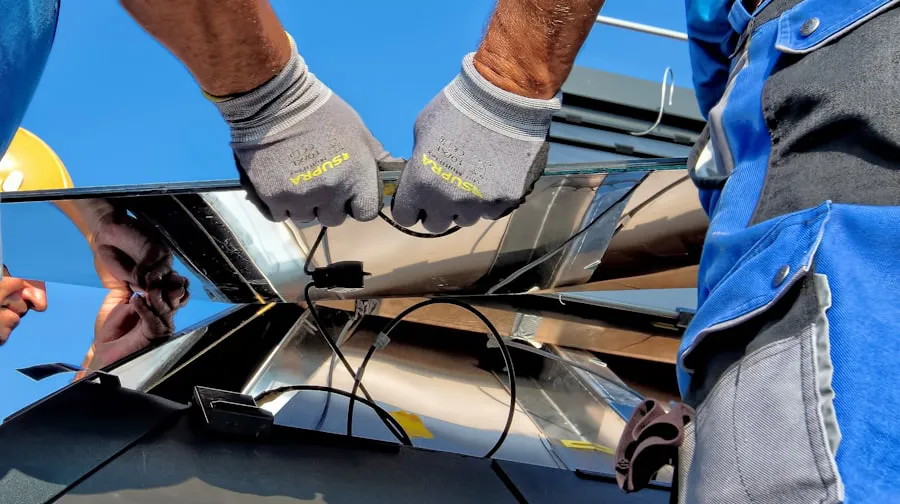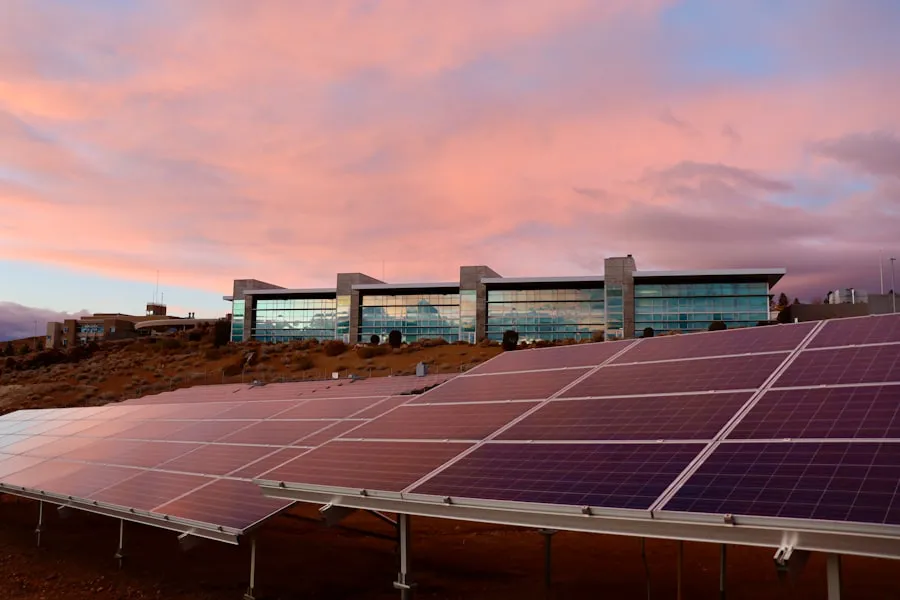
A rooftop solar system in Korba should produce about 360–400 units a month for every 3 kW. But coal dust from the mines, fly ash from the power stations and dust from heavy traffic settle on panels fast, and a dusty layer can quietly take a noticeable share of that output. The fix is simple and cheap: regular rinsing with plain water, done the right way, and a quick monthly look at your generation.
Key Takeaways
- Clean every one to two weeks in Korba's dry months; more often near Gevra, Dipka and haul roads.
- Use plain water and a soft brush or sponge, early in the morning.
- Never use detergent, hard brushes, high-pressure jets, or stand on the panels.
- Watch daily generation on the app — a slow decline usually means dust.
- An AMC can take cleaning and checks off your hands.
Why Korba is different
Most Indian cities have road dust. Korba also has fine particles from coal handling and fly ash from thermal power stations, carried by wind across the city. These particles are small and stick to glass, especially after dew or light drizzle turns them into a film. Unlike leaves or bird droppings, the film covers the whole panel evenly, so the output drops across the system rather than at one spot — and nobody notices until the bill goes up.
How much output can dust take?
It depends on how close you are to sources of dust and how long since the last rain or cleaning. Homes in Balco Nagar or Kosabadi may see a gradual decline over a few weeks in the dry season; homes near Gevra, Dipka or truck routes can see it within days. A system that should save ₹25,000–29,000 a year can lose a meaningful part of that saving if it is left dirty through the dry months.
How often to clean
| Location in Korba | Dry months (Oct–May) | Monsoon |
|---|---|---|
| City areas — Niharika, Kosabadi, Balco Nagar | Every one to two weeks | As needed after dry spells |
| Near main roads and Transport Nagar | Weekly | Check after storms |
| Near Gevra, Dipka and haul roads | Weekly or more often | Check after storms |
The right way to clean
- Clean early in the morning, while the panels are cool. Cold water on hot glass in the afternoon can stress it.
- Rinse with plain water first to loosen the dust.
- Use a soft brush or sponge on a long handle, working from the top edge down.
- Rinse again to wash away loosened particles.
- Stand on the roof, never on the panels, and stay away from the roof edge.
What to avoid
- Detergents, soaps or chemicals — they leave residue and can damage the anti-reflective coating.
- Hard brushes, steel wool or abrasive pads — they scratch the glass.
- High-pressure jets — they can force water into seals and junction boxes.
- Walking or kneeling on panels — this can crack cells invisibly.
- Touching cables or opening junction boxes — DC wiring is live whenever the sun is up.
Hard water and stains
Some Korba homes use borewell water with high mineral content, which can leave white spots as it dries. Where possible, use softer water for the final rinse, or wipe the panels with a soft squeegee. Spots that remain are mostly cosmetic but can build up over time; an AMC visit can remove them properly.
Reading your app for dust loss
Every modern inverter has a monitoring app. Compare clear days a week apart: if a 3 kW system made 14 units on a clear day after cleaning and 11 units on a similar day ten days later, dust is the likely cause. After cleaning, the figure should jump back. A sudden drop of a third or more, or zero on a sunny day, is not dust — it is a fault, and you should call your installer.
Water use
A 3 kW system has six panels. Rinsing them uses a bucket or two of water, or a few minutes with a hose — a small cost for the units recovered. Collecting the run-off for plants is an easy way to make sure no water is wasted.
Bird droppings, leaves and local spots
Not all dirt is even. Bird droppings, a leaf stuck at the bottom edge or a patch of mud after a storm shade one part of one panel. Because panels in a string work together, even a small shaded spot can pull down the output of the whole string. Remove these as soon as you see them. Bird-proofing mesh around the edge of the array can stop pigeons nesting underneath, which is a common source of droppings and debris.
A simple monthly routine
Once a month, note the month's generation from the app, compare a clear day with the same kind of day the month before, look at the panels from the roof for film, spots or cracks, and check that the inverter display shows no error. It takes five minutes and catches most problems long before they show up on the bill.
Safety first
If your roof has no parapet, is sloped or is wet and slippery, do not clean the panels yourself. Use a long-handled brush from a safe position, or ask a trained team. Never clean during lightning or strong winds.
Let an AMC handle it
Sunvera Energy's solar AMC in Korba includes scheduled cleaning suited to your location, inverter and wiring checks, earthing tests and a generation review. Call or WhatsApp +91 77103 07937 to set up a plan for your home or business.
Frequently Asked Questions
Every one to two weeks in the dry months in most city areas, and weekly or more often near Gevra, Dipka, main roads and haul roads. In the monsoon, rain usually helps.
No. Soap and detergents leave residue and can damage the anti-reflective coating. Use plain water and a soft brush or sponge.
Compare clear-day generation on your monitoring app a week or two apart. A gradual fall that recovers after cleaning is dust; a sudden large drop is a fault.
Early morning, while the panels are cool. Avoid the afternoon, when cold water on hot glass can stress it, and never clean during storms or lightning.
Get a free site survey & PM Surya Ghar subsidy guidance.