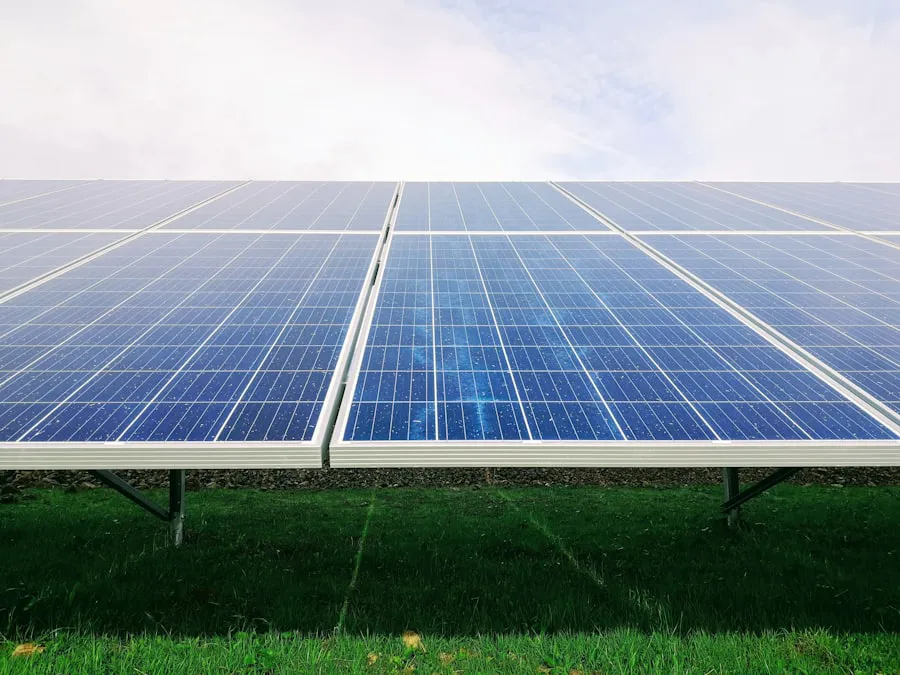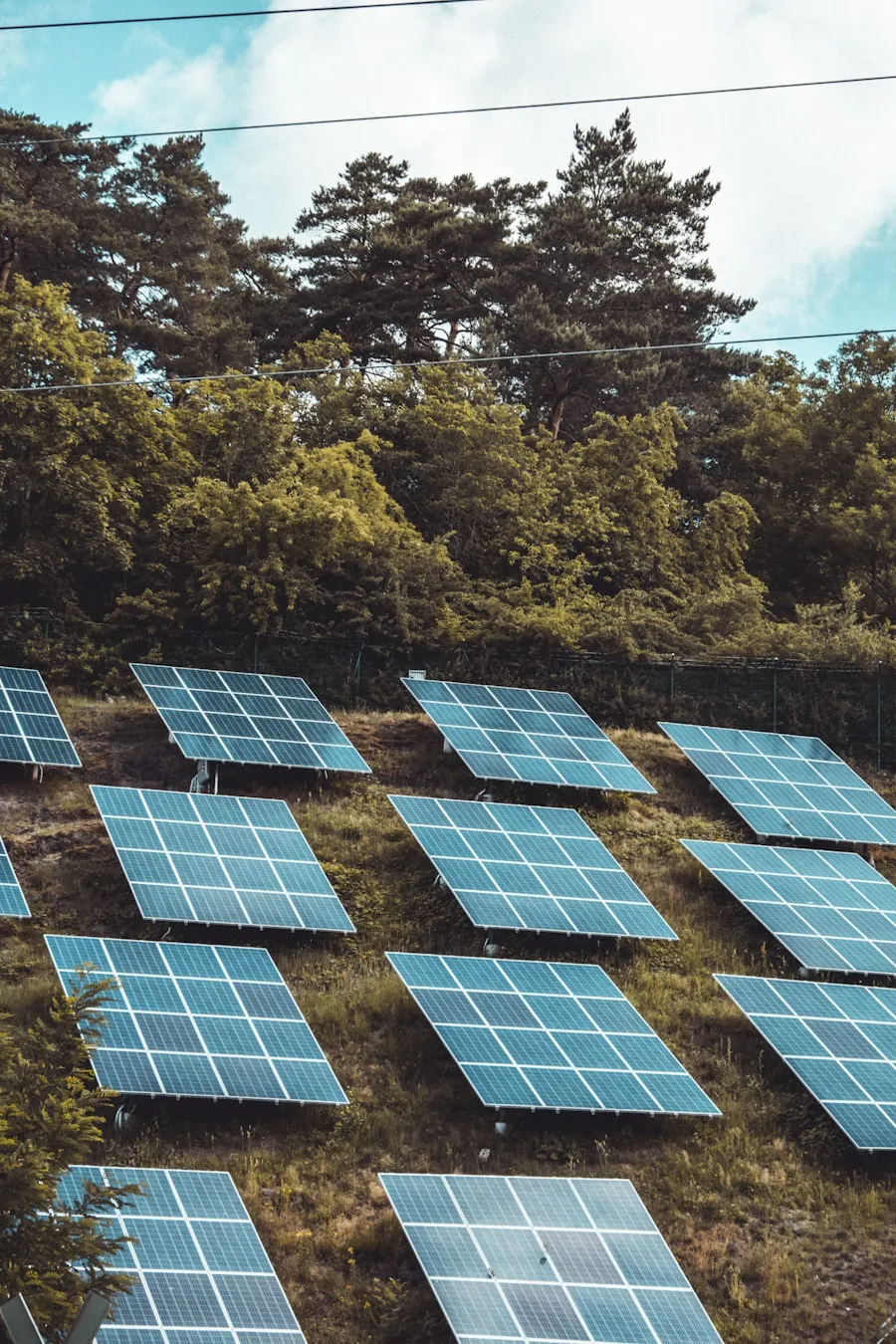

For a Shivpuri family, rooftop solar in 2026 costs about ₹1,80,000–2,00,000 for 3 kW, and the central PM Surya Ghar subsidy of ₹78,000 brings that down to roughly ₹1,02,000–1,22,000. The system saves about ₹25,000–31,000 a year, paying for itself in around four years and then saving for two decades more. Village homes with smaller needs can start with 1 or 2 kW for much less.
Key Takeaways
- 1 kW ≈ ₹48,000 net; 2 kW ≈ ₹80,000–90,000; 3 kW ≈ ₹1,02,000–1,22,000; 5 kW ≈ ₹1,97,000–2,22,000.
- Central subsidy: ₹30,000, ₹60,000 or ₹78,000 depending on size.
- 3 kW saves about ₹25,000–31,000 a year; payback around four years.
- Village connections often need a load increase for 2 kW and above.
- Zero down payment with 100% loan finance is available.
Prices and net cost
| System | Price | Subsidy | Net cost | Yearly saving | Payback |
|---|---|---|---|---|---|
| 1 kW | ≈ ₹78,000 | ₹30,000 | ≈ ₹48,000 | ≈ ₹8,000–10,000 | ≈ 5 years |
| 2 kW | ₹1,40,000–1,50,000 | ₹60,000 | ≈ ₹80,000–90,000 | ≈ ₹16,000–20,000 | ≈ 4.5–5 years |
| 3 kW | ₹1,80,000–2,00,000 | ₹78,000 | ≈ ₹1,02,000–1,22,000 | ≈ ₹25,000–31,000 | ≈ 4 years |
| 5 kW | ₹2,75,000–3,00,000 | ₹78,000 | ≈ ₹1,97,000–2,22,000 | ≈ ₹42,000–50,000 | ≈ 4.5 years |
The price includes DCR panels, inverter, galvanised structure, cables, protection, earthing, lightning arrester, installation, MPMKVVCL net metering and subsidy paperwork.
Town homes and village homes
Homes in Shivpuri town — around Sadar Bazaar, Court Road, Madhav Chowk and the bypass colonies — usually run coolers and at least one AC in summer and need 3 kW. Village homes in Kolaras, Badarwas, Pohri, Narwar, Karera and Pichhore tehsils often use far less and do well with 1–2 kW. The best way to decide is to add up twelve months of units and divide by about 1,450–1,500, which is what each kW produces in a year here.
What the subsidy covers — and what it does not
In Madhya Pradesh, home rooftop systems receive the central PM Surya Ghar subsidy, capped at ₹78,000 for 3 kW and above. It is paid to the applicant's bank account after MPMKVVCL inspects the system and fits the net meter. It does not apply to shops or other commercial connections, and it does not cover extras such as elevated structures beyond the standard design or a load increase fee charged by the DISCOM.
Sanctioned load in villages
Many village connections in Shivpuri district were sanctioned at 1 kW. A 1 kW solar system fits as is; a 2 or 3 kW system needs a load increase first, because solar capacity generally cannot exceed sanctioned load. This adds a few weeks, so it is worth checking the bill before planning.
Savings through the year
Winter in Shivpuri is clear and cool, so the system produces more than a family uses and banks the surplus as credit. In April, May and June, when coolers and ACs run late into the night, that credit is drawn down. The monsoon months produce less, but the balance carries through. Over a year, a correctly sized system brings the energy part of the bill close to zero.
Zero down payment
With 100% loan finance, nothing is paid upfront. On 3 kW, the EMI starts around ₹3,000 a month over seven years at about 7%; after the ₹78,000 subsidy is used to prepay, it falls to roughly ₹1,800–1,900 — below the average monthly saving of ₹2,100–2,600. Loans can also come from SBI, PNB, HDFC Bank and Bank of Baroda branches in Shivpuri.
Two Shivpuri examples
A family near Madhav Chowk uses about 4,400 units a year with coolers and one AC. A 3 kW system fits: about ₹1,02,000–1,22,000 after subsidy, saving ₹25,000–31,000 a year. Their summer bill, which used to touch ₹2,800, falls to little more than fixed charges for most of the year. A village home near Badarwas uses about 2,600 units a year — lights, fans, a cooler, a fridge and a small pump — on a connection sanctioned at 1 kW. After a load increase, a 2 kW system costs about ₹80,000–90,000 net and saves ₹16,000–20,000 a year. Both families chose zero down payment and used the subsidy to prepay their loans.
Choosing on-grid or hybrid
In Shivpuri town, supply is usually steady and on-grid gives the best return. In villages with long daily cuts, a hybrid with a lithium battery — about ₹3–3.5 lakh for 3 kW — keeps the essentials running and still receives the subsidy on its grid-connected capacity. The deciding question is simple: how long does your power go off on a normal day?
Looking after your system
Rinse the panels with plain water every week or two in the dry months, check the monitoring app once a month, and keep tanks and trees from shading the array. Panels carry a 25–30 year warranty, and a well-kept system will serve your family for decades.
Before you call
Keep twelve months of MPMKVVCL bills, your Aadhaar and a bank passbook in the same name as the connection ready. Check the sanctioned load printed on the bill, and look at the roof for water tanks or stair rooms that may cast shade. With these at hand, a quotation with your exact net cost and EMI takes just one visit.
Why buy from a district company
It comes down to who answers the phone in year five.
Sunvera Energy's head office is in Shivpuri district, at Rannod Road, Bijasen Mandir Colony, Pichhore. There is no travel charge anywhere in the district, surveys are quick, and service is local. Call or WhatsApp +91 77103 07937 with your bill.
Frequently Asked Questions
₹1,80,000–2,00,000 before subsidy, and about ₹1,02,000–1,22,000 after the ₹78,000 central PM Surya Ghar subsidy.
The central PM Surya Ghar subsidy: ₹30,000 for 1 kW, ₹60,000 for 2 kW and ₹78,000 for 3 kW and above, for domestic connections.
A 3 kW system typically saves ₹25,000–31,000 a year and pays back in about four years; a 2 kW system saves ₹16,000–20,000.
Yes, with zero down payment and 100% loan finance, subject to approval. The subsidy can then be used to prepay the loan.
Get a free site survey & PM Surya Ghar subsidy guidance.