Bilaspur's newer colonies — in Mangla, Tifra, Uslapur and along the bypass — are full of duplexes and two-storey houses. They tend to use more electricity than older single-storey homes, with two or three ACs, a geyser and a submersible pump, and their roofs bring a few practical questions. For most, a 5 kW system fits the use: ₹2,75,000–3,00,000, about ₹1,67,000–1,92,000 after the ₹78,000 central and ₹30,000 state subsidies.
Key Takeaways
- Duplexes typically use 6,500–7,500 units a year — a 5 kW system matches.
- A 5 kW system needs about 400–500 sq ft of shade-free roof.
- Stair rooms (mumty) and tanks on the roof are the main layout challenge.
- Two meters mean two separate systems, each with its own subsidy.
- Check sanctioned load — 5 kW may need a load increase.
How much a duplex uses
A typical Bilaspur duplex with a family of four to six runs two or three split ACs in summer, coolers, a fridge, a geyser in winter, a washing machine and a submersible pump. Yearly use often comes to 6,500–7,500 units. Divided by about 1,450–1,500 units per kW per year, that points to a 5 kW system. Smaller duplexes with one AC may need only 3 kW.
The roof: stair room, tanks and shade
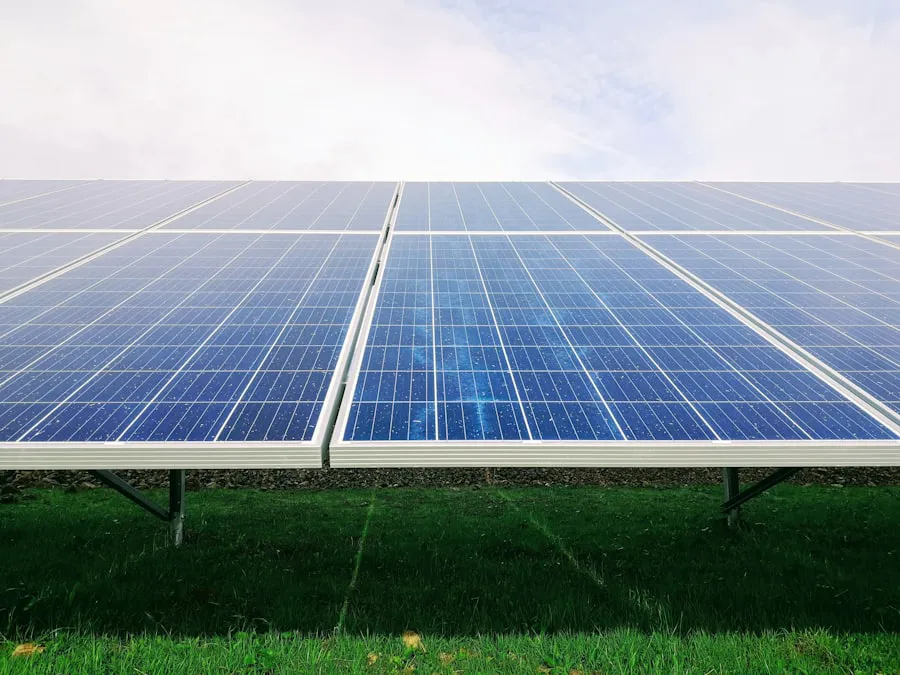
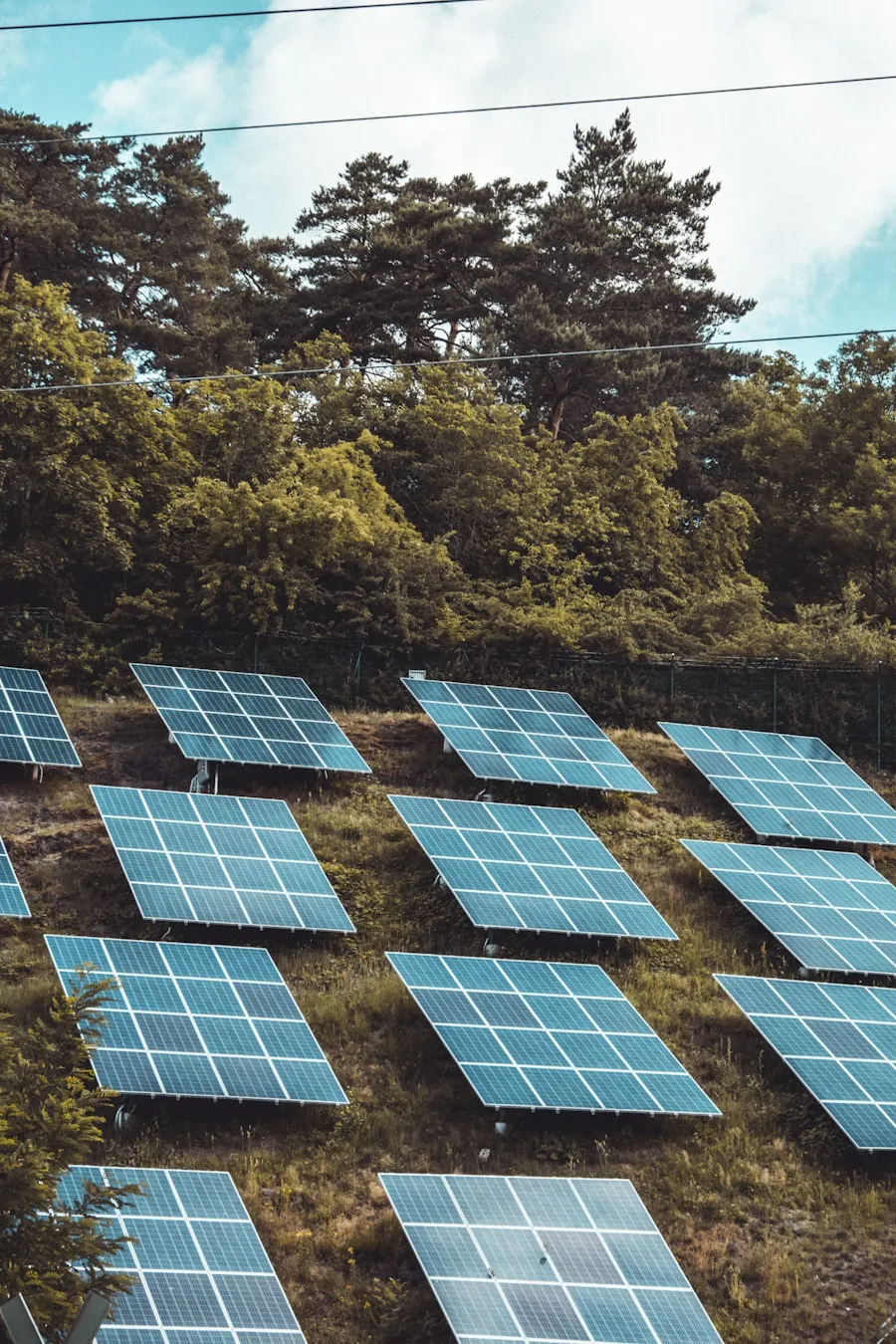
Duplex roofs are usually generous, but they carry a stair room (mumty), one or two water tanks and sometimes a small terrace room. These cast shadows that move with the seasons — longer in winter, when the sun is low in the south. The layout places panels clear of these shadows, often in two blocks on either side of the stair room. Where the shaded area is large, an elevated structure lifts panels above the tank and mumty shadows, recovering usable capacity and keeping the terrace usable underneath.
One meter or two?
Some two-storey houses have a single connection; others have a separate meter for each floor, especially where one floor is rented or used by a second family. Solar connects to one meter at a time. With two meters, there are two options: one system on the main connection, or two separate systems — each claiming its own central and state subsidy — if the roof has room for both and the connections are in the names of the people applying.
Sizes and costs
| Duplex type | Yearly use | System | Price | Net after subsidy |
|---|---|---|---|---|
| One AC, smaller family | 4,000–4,500 units | 3 kW | ₹1,80,000–2,00,000 | ≈ ₹72,000–92,000 |
| Two or three ACs | 6,500–7,500 units | 5 kW | ₹2,75,000–3,00,000 | ≈ ₹1,67,000–1,92,000 |
| Two meters, two families | Per connection | 2–3 kW each | Per system | Each gets its own subsidy |
Cables and the inverter
In a two-storey house, the inverter is usually mounted on the ground floor near the meter, so DC cables run from the roof down the building. They are routed in conduit along a shaded wall or a service shaft, neatly clamped, and kept short where possible to reduce losses. Some installations place the inverter on the first-floor landing or in a ventilated stair room to shorten the run; the survey decides what is best for your house.
Sanctioned load
Many duplexes were connected at 3–5 kW sanctioned load. Since solar capacity generally cannot exceed sanctioned load under net-metering rules, a 5 kW system on a 3 kW connection needs a load increase first. A three-phase connection may also be needed for larger systems. Your installer can file this alongside the net-metering application.
Hybrid for duplexes?
If your colony has frequent cuts, or someone works from home, a hybrid system with a lithium battery can back up lights, fans, Wi-Fi and the fridge on both floors. A 5 kW hybrid with a 10 kWh battery costs about ₹4.5–5.5 lakh, and still receives the subsidy on its grid-connected capacity.
A Mangla duplex example
A duplex in Mangla has a 1,200 sq ft roof with a stair room in the middle and two 1,000-litre tanks on the south side. The family uses about 7,000 units a year with three ACs. The survey maps the winter shadows of the stair room and tanks, places nine or ten panels in two blocks on the east and west of the stair room, and lifts one block on a short elevated frame to clear the tanks. The result is a 5 kW system producing around 7,200 units a year, with the inverter on the ground floor beside the meter and cables run in conduit down the shaded north wall. The family took a load increase from 3 kW to 5 kW at the same time as the net-metering application.
Paying for it
With zero down payment and 100% loan finance, a duplex owner can install without upfront payment. Once the ₹1,08,000 subsidy is credited and used to prepay, the remaining loan on 5 kW is about ₹1,67,000–1,92,000, and the system saves roughly ₹42,000–48,000 a year for a family that uses its output.
Maintenance on a duplex roof
Duplex roofs are higher and often have no parapet on some sides, so safe access for cleaning matters. Ask for walkways between panel blocks, a tap or water point on the roof, and an anchor point for a safety harness if the roof edge is open. Rinse the panels early in the morning every week or two in dry months, and check the monitoring app monthly. If climbing is difficult, an AMC can take over cleaning and checks.
Get a duplex layout
Sunvera Energy's office in front of Hanu Traders, Nutan Chowk, Seepat Road, Bilaspur will review your bills and send a layout for your roof. Walk in or WhatsApp +91 77103 07937.
Frequently Asked Questions
Usually 5 kW for a duplex with two or three ACs using 6,500–7,500 units a year, and 3 kW for a smaller duplex with one AC. Twelve months of bills confirm the size.
₹2,75,000–3,00,000 before subsidy, and about ₹1,67,000–1,92,000 after the ₹78,000 central and ₹30,000 Chhattisgarh subsidies.
Yes, if each floor's connection has its own system, the roof has room for both, and each connection holder applies. Each connection can claim its own subsidy.
It can, especially in winter. The layout places panels clear of its shadow, often in two blocks, or uses an elevated structure to lift panels above it.
Get a free site survey & PM Surya Ghar subsidy guidance.