The Mukki gate of Kanha lies in Balaghat district's Baihar tehsil, and the resorts, lodges and homestays around it host visitors through the park season. They share three problems: long power cuts on forest feeders, high diesel bills for generators, and guests who come for silence, not engine noise. Solar can help with all three, but the right setup depends on whether the property has a reliable grid connection. Here is how to choose.
Key Takeaways
- With a grid connection: hybrid usually beats both on-grid and off-grid.
- Without a connection: off-grid with a generator as backup.
- Back up rooms, lights, fans, pumps and Wi-Fi; keep ACs on grid or generator.
- 10 kW hybrid ≈ ₹8–9.5 lakh; 3 kW off-grid ≈ ₹2.8–3.5 lakh.
- Plan installation and big work for the months the park is closed.
Why forest properties are different
Lines into the forest belt are long, pass through trees and are exposed to storms, so cuts are frequent in the monsoon and pre-monsoon months. Many properties run a diesel generator for hours a day in season. Loads are spread out: separate cottages, a dining hall, a kitchen with refrigeration, water pumps and outdoor lighting. And the guest experience matters: a humming generator at dawn spoils a stay that people paid for to hear birds.
Option 1: on-grid
An on-grid plant on the dining hall or staff block cuts the electricity bill but switches off whenever the grid fails. For a forest property with frequent cuts, that means the panels are idle exactly when they are needed. On-grid alone suits only properties on reliable feeders closer to Baihar town.
Option 2: hybrid
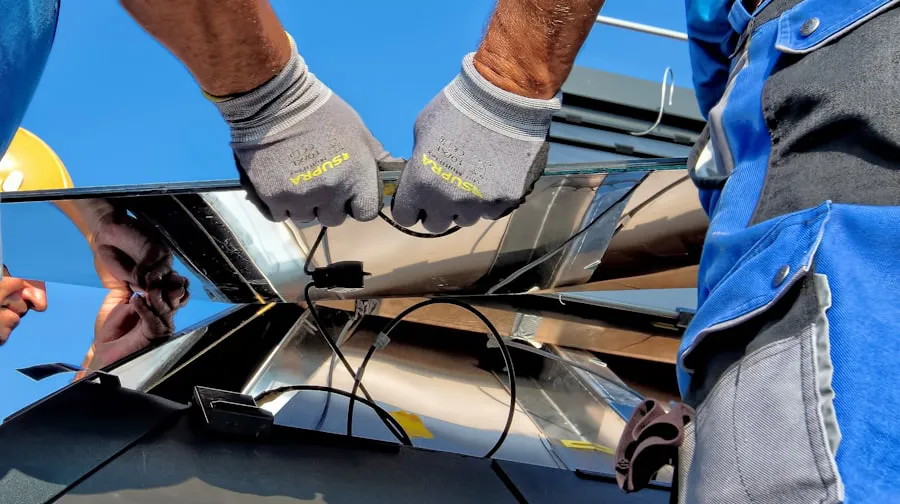
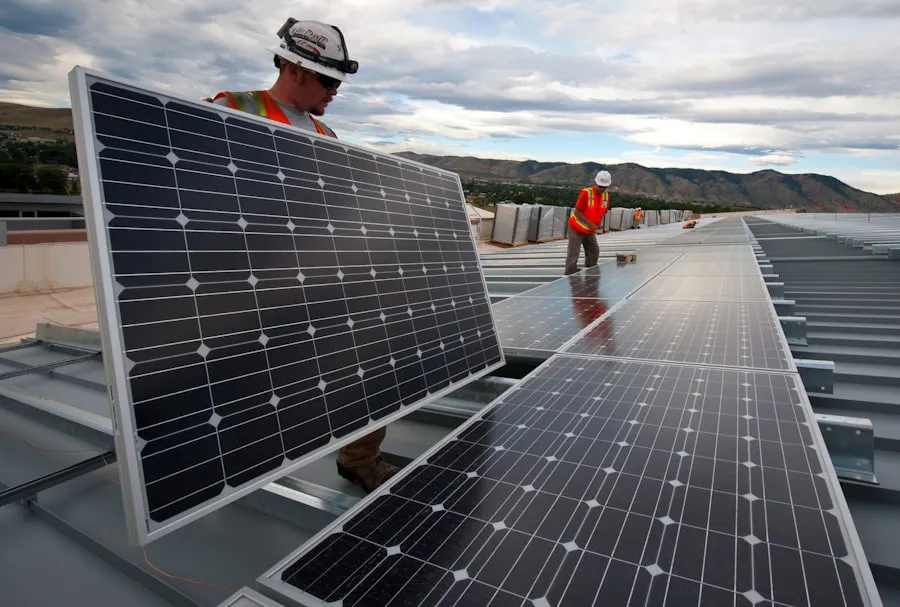
For most properties with a grid connection, a hybrid system is the best fit. Panels supply the daytime load and charge a lithium battery; surplus is exported through MPPKVVCL net metering; and when the grid fails, the battery takes over instantly for the loads that matter. A 10 kW hybrid system costs about ₹8–9.5 lakh. Wired to cottage lights and fans, the reception, Wi-Fi, CCTV, the kitchen fridge and water pumps, it can carry a property through most evening cuts. The generator is then needed only for long outages and ACs, and runs far fewer hours.
Option 3: off-grid
Some camps and homestays deeper in the buffer have no connection at all. For them an off-grid system — panels, a battery bank and an inverter — is the only clean source of power. A 3 kW off-grid system costs about ₹2.8–3.5 lakh; larger properties need a bigger design. Off-grid must be sized for the monsoon, when cloudy days come in a row, and is usually paired with a small generator for long cloudy spells. It does not qualify for subsidies, but it can cut diesel use sharply.
What to back up
| Load | On battery? |
|---|---|
| Cottage lights and fans | Yes |
| Reception, Wi-Fi, CCTV | Yes |
| Kitchen refrigeration | Yes |
| Water pumps | Yes, timed for daylight where possible |
| Room ACs, geysers | No — grid or generator |
| Laundry, large kitchen equipment | Run in sunny hours |
Running pumps and laundry during the sunny middle of the day lets the panels power them directly, leaving the battery full for the evening.
Fitting into the forest setting
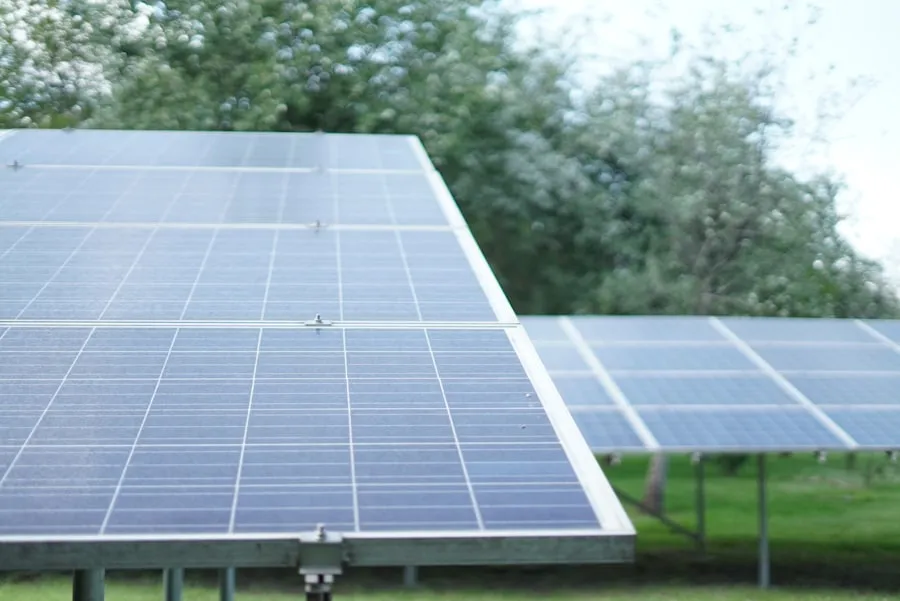
Guests do not want a sea of panels in the middle of a jungle lodge. Arrays can go on the staff quarters, kitchen block, parking shade or a ground frame behind the main building, out of guests' sightlines. Structures should be galvanised for the humid climate and cleared of overhanging branches to avoid shade and falling limbs. Cables run in buried conduit, and inverters and batteries sit in a ventilated, locked room safe from rodents and monkeys. Lightning protection and earthing are essential in this exposed terrain.
A sample 12-cottage lodge
Consider a lodge with twelve cottages, a dining hall, a kitchen with two deep freezers, two water pumps and outdoor lighting, on a forest feeder that goes off for one to three hours most evenings in season. A 10 kW hybrid system with about 15 kWh of lithium battery, wired to cottage lights and fans, reception, Wi-Fi, CCTV, the freezers and the pumps, carries most of those evening cuts without the generator. In daylight the panels run the pumps, laundry and part of the kitchen load, and surplus is exported through the net meter. The generator remains for long outages and for room ACs, but its running hours fall sharply.
Homestays and small camps
Village homestays with three or four rooms need much less: a 2–3 kW hybrid system, or an off-grid one where there is no line, is usually enough for lights, fans, a fridge and phone charging. These are often the properties where a guest's first night without a generator hum makes the strongest impression.
Timing the work
The park closes to visitors during the monsoon months. That is also when roof work is hardest, so we plan surveys and design before the closure and installation in the dry weeks around it, aiming to have the system running before the season reopens.
Costs in context
A property that runs a generator three or four hours a day in season can spend a large sum on diesel each year. A hybrid system that cuts those hours sharply, while also lowering the grid bill, typically pays back in four to six years and keeps working for 20 years and more. Accelerated depreciation may apply for registered businesses; ask your CA.
Talk to our Balaghat team
Sunvera Energy designs hybrid and off-grid systems for forest properties from its office at Ward No. 28, Saraswati Nagar, Balaghat, and services them across the district, including the Baihar and Mukki side. Call +91 77103 07937 to arrange a site visit.
Frequently Asked Questions
If the property has a grid connection, a hybrid system usually fits best: it cuts the bill through net metering and keeps essential loads on battery during frequent forest-feeder cuts. Properties without a connection need off-grid with a small generator for long cloudy spells.
A 10 kW hybrid system with a lithium battery costs about ₹8–9.5 lakh. It can carry cottage lights and fans, reception, Wi-Fi, CCTV, kitchen refrigeration and pumps through most evening cuts, so the generator runs far fewer hours.
Not economically from a battery. ACs draw heavy power, so they are usually kept on the grid or generator, while the battery backs up lights, fans, Wi-Fi, refrigeration and pumps. In sunny hours, panels can supply part of the AC load directly.
Plan the survey and design before the monsoon closure, and install in the dry weeks around it, so the system runs before the park season reopens. Heavy roof work in the peak monsoon is best avoided.
Get a free site survey & PM Surya Ghar subsidy guidance.