Temples, dharamshalas, gaushalas and charitable trusts across Madhya Pradesh and Chhattisgarh spend a surprising share of their income on electricity. Lights burn from early morning aarti to late evening, fans and coolers keep pilgrims comfortable, pumps fill tanks and sound systems run on festival days. Because most of these buildings pay non-domestic tariffs, rooftop solar often pays back faster for a trust than for a family home. This guide explains how a committee can plan a system that works and keeps working.
Key Takeaways
- Most religious and charitable buildings pay non-domestic tariffs, so each solar unit saves more than on a home.
- The domestic PM Surya Ghar subsidy does not apply, but payback of four to five years is common.
- Size the plant from 12 months of bills, including festival months.
- Decide who owns maintenance before the plant is installed.
- A clear proposal with cost, savings and payback makes committee approval easier.
Why solar suits religious and charitable buildings
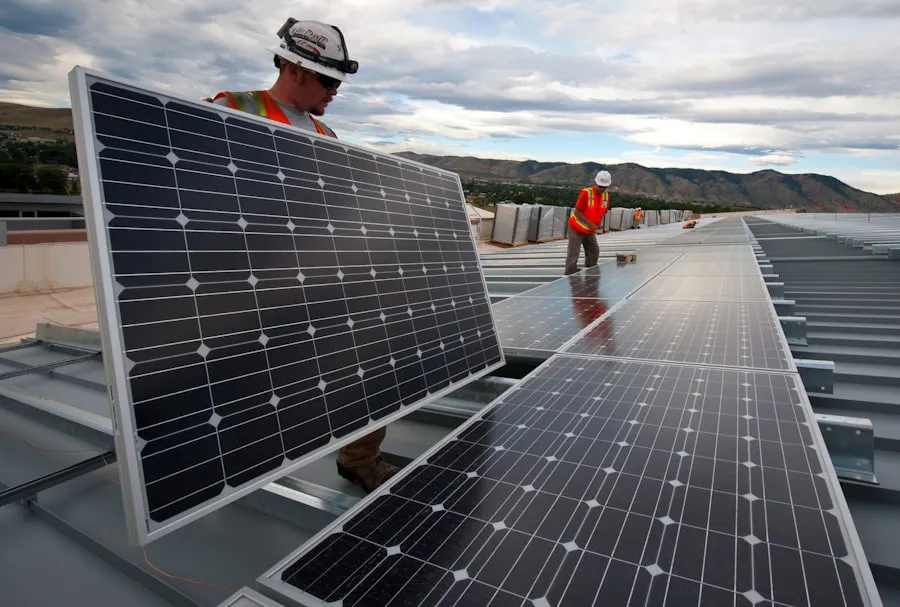
A temple complex or dharamshala uses most of its electricity in daylight: lights in halls and corridors, fans and coolers for visitors, pumps for drinking water and washing areas, kitchens for bhandara, and offices. Solar produces exactly during these hours, so most of its output is used directly instead of being exported. Large flat roofs on dharamshalas, community halls and gaushala sheds give plenty of space. And because the building stays in use for decades, a system with a 25-year panel life suits it well.
Tariffs and the subsidy question
Religious places and trusts are usually billed under a non-domestic category by the DISCOM — MPMKVVCL, MPPKVVCL or MPPoKVVCL in Madhya Pradesh, CSPDCL in Chhattisgarh. The exact category depends on the connection, so check your bill. The PM Surya Ghar subsidy is meant for homes on domestic connections, so a trust does not receive it. That sounds like a disadvantage, but the higher tariff means every unit generated saves more. In a sunny region where each kW makes about 1,450–1,500 units a year, a 10 kW plant costing about ₹5.5–6 lakh can save a substantial amount each year and often pays back within four to five years.
Sizing for festival peaks
Load at religious places is uneven. Navratri, Shivratri, Mahavir Jayanti, fairs and weekly crowds bring sharp peaks; the rest of the year is calmer. Do not size the plant for the single busiest month. Instead, collect 12 months of bills and size for the average daytime use, letting the grid cover the peaks. Under net metering, surplus units on quiet days are credited against the busier months, which smooths the year.
Roof, heritage and visibility
Many temples have domes, shikharas and carved parapets where panels would look out of place or cannot be fixed safely. In most complexes the better roof is a dharamshala block, office, kitchen or a shed behind the main building. On heritage structures, avoid drilling into old stone or lime roofs; ballasted or clamp-mounted structures add no holes. If the committee is worried about appearance, panels can be kept below the parapet line so they are not seen from the courtyard.
Getting committee approval
Trust decisions often stall because members have different questions. A good proposal answers them on one or two pages:
- Cost: the system size, brands, total price and payment terms.
- Savings: expected units per year, their value at your tariff, and payback in years.
- Roof: which roof is used, how it is fixed and whether any repair is needed first.
- Maintenance: who cleans the panels, how often, and what the AMC costs.
- Approvals: net-metering application, documents needed and who signs.
Ask your installer to present this to the committee in person and answer questions.
Donations and sponsorship
Some trusts fund solar through a single donor or by inviting devotees to sponsor panels. If you do this, keep the system specification fixed by the committee rather than by the donor, so you get one well-designed plant instead of mixed equipment. Record the donation and the asset in the trust accounts, and consider a small plaque that acknowledges sponsors without cluttering the roof.
Gaushalas and ashrams away from the road
Gaushalas and ashrams outside towns often face long power cuts or have no connection at all. For these, a hybrid system with a battery keeps lights, fans and the drinking-water pump running during cuts, while still earning net-metering credit when the line is on. Where there is no connection, an off-grid system sized for lights, fans and a small pump is practical; heavy loads such as large motors and air conditioners are better left off it. A gaushala also needs water for the animals every day, so a stand-alone solar pump on the borewell is often the most useful first step, before any rooftop system.
Paperwork a trust should keep ready
For the net-metering application, keep the electricity bill, the trust registration or society certificate, the PAN of the trust, a resolution of the committee authorising the installation and naming a signatory, and proof of ownership or lease of the building. Having these ready avoids weeks of delay.
Maintenance is where trusts fail
The most common problem we see is not a bad installation but a plant nobody looks after. Dust, bird droppings and monkey damage can cut output quietly for months. Before installation, name one person — a manager or volunteer — who checks the monitoring app weekly, and sign an AMC that includes cleaning and an annual electrical check. Route cables in conduit and fit guards where monkeys are common around temples.
Talk to us
Sunvera Energy works with temples, dharamshalas and trusts from its offices in Pichhore, Gwalior, Balaghat and Bilaspur. Send a photo of your roof and 12 months of bills to +91 77103 07937 and we will prepare a proposal your committee can review.
Frequently Asked Questions
No. The PM Surya Ghar subsidy is for homes on domestic connections. Temples and trusts usually pay non-domestic tariffs, so each solar unit saves more, and payback of four to five years is common even without a subsidy. Check the tariff category on your bill.
Size it from 12 months of bills, aiming at average daytime use rather than the busiest festival month, and let the grid cover the peaks. Many dharamshalas and temple complexes fit 5–15 kW. Net metering credits surplus units on quiet days against busier months, which smooths the year.
They need not. On old stone or lime roofs, ballasted or clamp-mounted structures avoid drilling. Often the better choice is a dharamshala block, kitchen or office roof rather than the main temple, which also keeps panels out of sight from the courtyard.
Name one manager or volunteer to check the monitoring app weekly, and sign an AMC that covers cleaning and an annual electrical check. Dust, droppings and monkey damage are the usual causes of lost output, and regular attention prevents most of it.
Get a free site survey & PM Surya Ghar subsidy guidance.